"Zeit De": Exploring German Cultural Landscapes – From Epic Fantasy to Influential Journalism
The phrase "Zeit De" serves as a fascinating portal into distinct facets of German culture, encompassing both the captivating world of fantasy literature and the rigorous realm of national journalism. While seemingly disparate, both "Alera – Zeit der Rache" and "Die Zeit" newspaper offer profound insights into the concept of "time" itself – be it the time of unfolding destinies in a fictional kingdom or the time chronicled through insightful reporting on contemporary events. Join us as we delve into these two significant contributions to the German cultural landscape, uncovering the stories and legacies they represent.
"Alera – Zeit der Rache": A Queen's Journey Through Time and Turmoil
For enthusiasts of young adult fantasy, "Alera – Zeit der Rache" (German for "Alera – Time of Revenge") resonates as the thrilling second installment in Cayla Kluver's acclaimed Legacy series. Known in English as *Allegiance*, this novel plunges readers deeper into the tumultuous life of Queen Alera of Hytanica, a character whose journey is defined by the relentless march of time, difficult choices, and the profound impact of war.
Unraveling the Legacy Series: The Heart of "Zeit der Rache"
The narrative of "Alera – Zeit der Rache" picks up with Queen Alera navigating the complex political landscape of Hytanica. Forced into an arranged marriage with the arrogant Steldor by her father, Alera finds herself ruling alongside a man her heart cannot accept. Her true affections lie with the enigmatic Narian, a figure now aligned with the rival realm of Cokyri. This forbidden love becomes a catalyst for escalating tensions, culminating in a devastating war between Hytanica and Cokyri.
Kluver masterfully weaves together themes that resonate deeply with young adult audiences and beyond. Alera's struggle embodies the classic tension between
personal desires and royal duty, a timeless conflict amplified by the crushing weight of a kingdom on the brink. The novel vividly portrays the *impact of war on individuals and societies*, as Alera witnesses the suffering of her people, friends, and family. Through it all, her quest for inner strength and self-empowerment forms the emotional core, highlighting a journey of growth in the face of overwhelming crisis. The title itself, "Zeit der Rache," points to a pivotal moment, a turning point in her personal and political struggles. Readers who found intrigue in the foundational elements of the series can explore more about its beginnings and the author's journey in
Zeit De - Article 1.
Cayla Kluver: A Young Author's Remarkable Ascent
The story behind Cayla Kluver's literary career is as compelling as her fantasy worlds. An American author of young adult fiction, Kluver gained significant recognition for beginning her debut series at an astonishingly young age – just 14 years old. She embarked on writing the Legacy trilogy during her early teenage years, a testament to her precocious talent and dedication.
The first book in the series, *Legacy*, was initially self-published in 2008 through Forsooth Publishing, an imprint established by her mother specifically to facilitate its release and gather crucial reader feedback. This early success caught the attention of AmazonEncore, part of Amazon Publishing, which acquired and re-released the title in 2009. This move was significant, marking Kluver's work as part of Amazon's pioneering efforts to publish promising self-published books based on sales data and positive customer reviews. Her exceptionally young age became a notable element in the series' marketing, emphasizing the impressive achievement of a teenage writer crafting a full fantasy trilogy. Beyond the Legacy series, Kluver has continued to contribute to the fantasy genre with works like *The Queen's Choice*, the first book in the Heirs of Chrior series, published by Harlequin Teen.
Die Zeit: Germany's Enduring Chronicle of Current Events
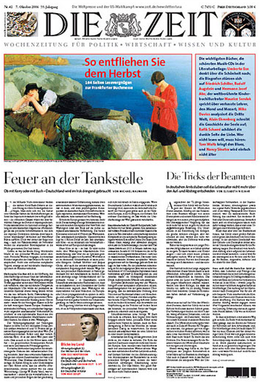
Shifting from fictional realms to the factual, "Die Zeit" (German for "The Time") stands as a venerable institution in German journalism. This national weekly newspaper, published in Hamburg, has earned its reputation as one of Germany's newspapers of record, renowned for its commitment to extensive, in-depth articles that offer nuanced perspectives on current affairs.
A Pillar of German Journalism Since 1946
The first edition of "Die Zeit" was published on
February 21, 1946, emerging in the immediate post-war period. Its founding publishers – Gerd Bucerius, Lovis H. Lorenz, Richard Tüngel, and Ewald Schmidt di Simoni – sought to create a platform for thoughtful discourse and analysis in a nation grappling with rebuilding its identity.
Over the decades, "Die Zeit" has been shaped by influential figures whose vision cemented its standing. Marion Gräfin Dönhoff joined as an editor in March 1946 and later became its publisher in 1972, a role she held until her death in 2002. Her leadership was pivotal in establishing the paper's intellectual gravitas. In 1983, she was joined by former German Chancellor Helmut Schmidt, further elevating the publication's profile. Later, Josef Joffe and former German federal secretary of culture Michael Naumann also contributed significantly to its editorial direction. Today, "Die Zeit" continues its legacy under the ownership of Zeitverlag Gerd Bucerius, which is part of the Georg von Holtzbrinck Publishing Group and Dieter von Holtzbrinck Media, ensuring its continued commitment to quality journalism. For a broader perspective on German media, explore
Zeit De - Article 2.
Why "Die Zeit" Matters in Today's Media Landscape
In an age dominated by rapid-fire news cycles and byte-sized information, "Die Zeit" stands out for its steadfast dedication to
long and extensive articles. This approach allows for a deeper dive into complex issues, providing context, multiple perspectives, and thorough analysis that often goes beyond surface-level reporting. For readers seeking to truly understand the intricacies of politics, economics, culture, and society, "Die Zeit" offers unparalleled depth.
Its reputation for thoughtful, balanced reporting has made it an indispensable resource for informed German citizens and international observers alike. The newspaper consistently fosters intellectual debate, reflecting a commitment to critical thinking and democratic values. For those looking to engage with high-quality German journalism, subscribing to "Die Zeit" or exploring its extensive online archives provides direct access to its rich content. It's an excellent way to not only stay informed but also to improve comprehension of complex German language and cultural discourse.
"Zeit De": Bridging Worlds, Embracing German Culture
The convergence of "Alera – Zeit der Rache" and "Die Zeit" under the umbrella of "Zeit De" offers a powerful metaphor for exploring the breadth of German cultural expression. "Zeit," meaning "time," is the fundamental link, showcasing how different mediums capture, reflect, and influence our understanding of its passage.
On one hand, Cayla Kluver's fantasy series immerses us in a "time of revenge," a specific epoch within a fictional world where characters grapple with choices that define their present and future. It's a journey through coming of age, moral dilemmas, and epic conflict, inviting readers to ponder the timeless themes of duty, love, and courage. For those interested in young adult literature, particularly fantasy with strong female protagonists and intricate political landscapes, "Alera – Zeit der Rache" provides a compelling entry point.
On the other hand, "Die Zeit" newspaper actively chronicles "the time" in which we live, offering a crucial lens through which to understand contemporary Germany and its place in the world. Its commitment to in-depth analysis provides a historical record in real-time, shaping public discourse and informing generations of readers. For individuals keen on understanding German society, politics, and intellectual thought, engaging with "Die Zeit" is an essential step.
Whether you're drawn to the imaginative escape of fantasy literature or the critical analysis of national journalism, "Zeit De" ultimately points to the richness and diversity of German culture. It encourages us to explore stories that resonate, ideas that provoke, and perspectives that enlighten, all woven into the fabric of "time."
In conclusion, "Zeit De" encompasses far more than a simple search term. It represents a gateway to understanding diverse narratives – from the heroic struggles of Queen Alera in "Alera – Zeit der Rache" to the insightful chronicles of "Die Zeit" newspaper. Both offer invaluable contributions to their respective fields, inviting audiences to reflect on the power of storytelling and journalism in shaping our perception of "time" itself. We encourage you to explore these rich cultural offerings and discover the profound depths they hold.