Unveiling the Dual Identity of Zeit De: From Fantasy Realms to Factual Headlines
The phrase "Zeit De" evokes a fascinating duality, pointing simultaneously to a compelling world of young adult fantasy and a cornerstone of German journalism. On one hand, it connects us to the German edition of Cayla Kluver's enthralling "Alera" series, specifically "
Alera – Zeit der Rache," a tale of love, duty, and war. On the other, it is intrinsically linked to "
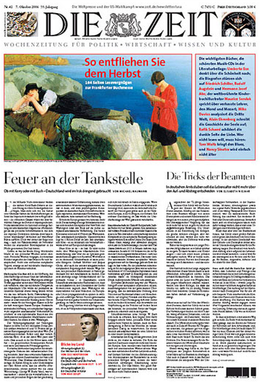
Die Zeit," Germany's esteemed national weekly newspaper, known for its profound insights and extensive articles. This article delves into both significant facets, exploring how a single word – "Zeit" (time) – can frame such distinct yet equally impactful narratives, enriching our understanding of storytelling, culture, and information in the German-speaking world and beyond.
Unpacking the Legacy of "Zeit der Rache" in Young Adult Fantasy
For enthusiasts of young adult fantasy, "
Alera – Zeit der Rache" translates to "Alera – Time of Revenge," the German title for "Allegiance," the second gripping novel in Cayla Kluver's widely acclaimed Legacy series. Originally published in English in 2012 and swiftly brought to German readers by Piper Verlag in May of the same year, this book plunges deep into the turmoil faced by Queen Alera of Hytanica. Bound by an arranged marriage to the arrogant Steldor, Alera's heart yearns for the enigmatic Narian, now an ally of the rival kingdom of Cokyri and its formidable ruler. As a devastating war erupts, Alera is forced to confront immense suffering, bearing witness to the plight of her people, friends, and family. The narrative becomes a profound journey toward self-empowerment, as she desperately seeks the inner strength required to protect those she holds dear.
Kluver masterfully weaves together themes that resonate deeply with young adult readers: the consuming power of forbidden love, the intricate tension between personal desires and royal duty, and the harrowing, transformative impact of war on both individuals and societies. Her rich fantasy world, replete with political intrigue and epic battles, serves as a vivid backdrop for character-driven stories of growth amid overwhelming crisis. "
Zeit der Rache" is more than just a title; it encapsulates the intense emotional and physical trials Alera endures, marking a pivotal period of her life where innocence gives way to hard-won wisdom.
Cayla Kluver herself is a remarkable figure in the YA literary scene. She first gained recognition for beginning her debut series at the tender age of 14. Her journey from self-publishing through Forsooth Publishing (an imprint established by her mother to gather early feedback) in 2008 to being acquired and re-released by AmazonEncore in 2009 is a testament to the power of passion and early talent. This early success made her work a flagship example of Amazon's initial foray into publishing promising self-published authors. Her exceptionally young age at the time not only became a notable element in the series' origin story but also greatly contributed to its marketing, highlighting the extraordinary achievement of a teenage writer crafting a full trilogy. Kluver's dedication to engaging with young readers through school visits and library events further solidifies her connection with her audience, emphasizing the emotional depth and complex relationships central to her narratives.
For aspiring young writers, Kluver's story offers invaluable inspiration: it demonstrates that talent and compelling storytelling can emerge at any age, and that embracing alternative publishing routes can lead to significant success. The Legacy trilogy—comprising "Legacy" (Alera - Das Erbe), "Allegiance" (Alera – Zeit der Rache), and "Sacrifice"—continues to captivate readers with its blend of romance, action, and profound character development set against the backdrop of Hytanica's patriarchal traditions and Cokyri's militaristic might.
Die Zeit: A Pillar of German Journalism and Intellectual Discourse
Shifting gears from fictional realms to the crucible of factual reporting, "
Die Zeit" (The Time) stands as a monumental German national weekly newspaper, published with unwavering prestige from Hamburg. Widely regarded as one of Germany's "newspapers of record,"
Die Zeit has carved out a unique niche through its commitment to long and extensive articles, offering readers a depth of analysis rarely found in daily publications.
The genesis of
Die Zeit is steeped in post-World War II history, with its first edition hitting the newsstands on February 21, 1946. Its founding publishers—Gerd Bucerius, Lovis H. Lorenz, Richard Tüngel, and Ewald Schmidt di Simoni—envisioned a publication that would contribute to the intellectual and democratic reconstruction of Germany. A pivotal figure in its illustrious history was Marion Gräfin Dönhoff, who joined as an editor in March 1946 and eventually became its influential publisher from 1972 until her passing in 2002. Her leadership was instrumental in shaping
Die Zeit's liberal, intellectual, and critical voice.
The newspaper's intellectual caliber was further bolstered by the involvement of prominent public figures. Former German Chancellor Helmut Schmidt joined the publishing team in 1983, lending his considerable gravitas and experience to its editorial direction. Later, distinguished journalists and intellectuals such as Josef Joffe and former German federal secretary of culture Michael Naumann also became publishers, ensuring
Die Zeit's continued reputation as a forum for sophisticated political, social, and cultural debate.
In an age increasingly dominated by soundbites and fleeting headlines,
Die Zeit remains a steadfast advocate for in-depth, nuanced journalism. Its rigorous research, analytical essays, and comprehensive coverage provide a vital counter-narrative, encouraging critical thinking and a deeper understanding of complex issues, both within Germany and globally. The paper's publishing house, Zeitverlag Gerd Bucerius, is now owned by the Georg von Holtzbrinck Publishing Group and Dieter von Holtzbrinck Media, securing its future as a beacon of quality journalism. For anyone seeking to understand German perspectives and intellectual currents, immersing oneself in
Die Zeit's content is an invaluable exercise.
"Zeit De": Bridging Worlds – From Fantasy Epics to Factual Reporting
The term "Zeit De" beautifully encapsulates the concept of "time" in two profoundly different, yet equally significant, contexts. In "
Alera – Zeit der Rache," "Zeit" refers to a specific, tumultuous period—a time of personal reckoning, desperate love, and vengeful conflict that shapes the destiny of a queen and her kingdom. It's a narrative "time" where character arcs are forged in the fires of war and duty. The story highlights how individual choices made within a critical "Zeit" can have epic consequences, altering the course of entire realms.
Conversely, in the context of "
Die Zeit," the newspaper, "Zeit" signifies the ongoing present and past—the historical and contemporary "times" that the publication diligently documents, analyzes, and interprets. It offers a chronicling of events, ideas, and societal shifts, providing readers with a comprehensive record of the era. The newspaper doesn't just report *in* time; it reports *on* time, offering a collective memory and an informed perspective on the ever-evolving human story.
What unites these two manifestations of "Zeit De" is their shared power to inform and transform. Cayla Kluver's fantasy epic, while fictional, provides a powerful lens through which to explore universal human emotions, moral dilemmas, and the timeless struggle between personal desire and collective responsibility. It's storytelling that educates through empathy.
Die Zeit, on the other hand, educates through rigorous factual reporting and intellectual analysis, helping readers navigate the complexities of the real world, fostering informed opinions, and encouraging civic engagement. Both, in their own unique ways, demonstrate the profound influence of narrative—whether imagined or documented—in shaping our understanding of the world around us. This dual perspective underscores that "time" itself is a narrative, constructed and interpreted through diverse forms of human expression.
Engaging with "Zeit De": A Guide for Readers and Thinkers
Whether you're drawn to the intricate world-building of fantasy or the compelling insights of top-tier journalism, engaging with the spirit of "Zeit De" offers rich rewards.
For fans of fantasy, diving into Cayla Kluver's Legacy series, starting with "
Alera - Das Erbe" and continuing with "
Alera – Zeit der Rache," promises an immersive experience. To truly appreciate the series:
- Focus on Character Arc: Pay attention to Alera’s journey from a conflicted princess to a powerful queen, noting how her choices reflect the themes of duty and love.
- Explore World-building: Observe how Kluver's depiction of Hytanica's patriarchal society and Cokyri's militaristic culture influences the plot and character motivations.
- Identify Universal Themes: Consider how the fictional conflicts parallel real-world issues like political marriages, the impact of war, and the search for personal agency.
If you enjoy this blend of romance, action, and coming-of-age, you might also explore authors like Sarah J. Maas, Leigh Bardugo, or Victoria Aveyard, who excel in similar YA fantasy subgenres.
For engaged citizens and those seeking in-depth understanding, "
Die Zeit" offers an unparalleled resource for German and global affairs. To maximize your engagement with this esteemed publication:
- Prioritize In-Depth Analysis: Instead of skimming, allocate time to read the extensive articles thoroughly. Their value lies in the detail and nuanced arguments.
- Utilize Opinion Pieces: Engage with the diverse perspectives presented in the opinion sections. This helps in understanding the spectrum of thought within German intellectual discourse.
- Compare and Contrast: Read Die Zeit alongside other news sources to develop a more rounded view of international events and gain different cultural insights.
Subscribing to their digital offerings, like the "Zeit Online" portal, can provide easy access to their rich content. Understanding German media consumption is key to grasping the country's socio-political landscape.
Ultimately, the lesson from "Zeit De," in all its forms, is the importance of diverse reading and information sources. Whether escaping into a fantasy world or grounding ourselves in factual reporting, both avenues provide critical insight into the human condition. To learn more about the broader context of "Zeit De" in German culture and media, explore
Zeit De - Article 1. For a deeper dive into related topics, be sure to check out
Zeit De - Article 3.
In conclusion, "Zeit De" is a rich and multifaceted term that brilliantly encapsulates two distinct yet equally profound dimensions of human experience: the compelling escapism and emotional depth of young adult fantasy literature, and the rigorous intellectual pursuit of truth and understanding through esteemed journalism. From the "Time of Revenge" that shapes Queen Alera's destiny in Cayla Kluver's captivating series to the comprehensive chronicling of "The Time" itself by Germany's eminent weekly newspaper, both manifestations of "Zeit De" underscore the enduring power of narrative and information. They remind us that stories, whether spun from imagination or meticulously reported, are essential for comprehending our world, fostering empathy, and inspiring thought across generations and cultures.