Unpacking "Zeit De": A Dual Exploration of German Culture and Literature
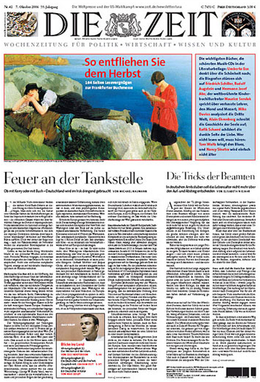
The term "Zeit De" might initially seem straightforward, but it actually opens doors to two distinct, yet equally compelling, realms within German culture and global literature. For many, "Zeit De" immediately brings to mind Die Zeit, Germany's highly respected national weekly newspaper, an institution renowned for its in-depth journalism and intellectual rigor. However, for enthusiasts of young adult fantasy, "Zeit De" also echoes the title of a popular novel, Alera – Zeit der Rache, the German edition of Cayla Kluver's acclaimed second book in the Legacy series. This article aims to comprehensively explore both interpretations, offering a rich understanding of what "Zeit De" truly represents, from the pages of a prominent publication to the gripping narrative of a fantasy epic.
Understanding these dual meanings is key to appreciating the breadth of content associated with the phrase. Whether you're seeking authoritative news analysis or an immersive fantasy adventure, "Zeit De" serves as a gateway. Let's delve into each of these fascinating domains, uncovering their origins, significance, and enduring appeal.
Delving into Die Zeit: Germany's Esteemed Weekly Newspaper
When the conversation turns to influential German media, Die Zeit invariably comes to the forefront. Published weekly in Hamburg, this national newspaper has solidified its reputation as one of Germany's newspapers of record since its inception. Known for its extensive, long-form articles, Die Zeit offers readers a profound dive into current affairs, politics, economy, culture, and society, distinguishing itself with a commitment to analytical depth over fleeting headlines. Its editorial stance is generally considered liberal, though it hosts a wide spectrum of opinions, fostering robust intellectual discourse.
A Legacy Forged in Post-War Germany
The inaugural edition of Die Zeit was published on 21 February 1946, emerging from the crucible of post-war Germany. Its founding publishers—Gerd Bucerius, Lovis H. Lorenz, Richard Tüngel, and Ewald Schmidt di Simoni—envisioned a publication that would contribute to the democratic reconstruction of Germany. A pivotal figure in its history was Marion Gräfin Dönhoff, who joined as an editor in March 1946 and later became its publisher from 1972 until her passing in 2002. Her leadership was instrumental in shaping the paper's intellectual gravitas and its unwavering commitment to democratic values. In 1983, she was joined by former German Chancellor Helmut Schmidt, further elevating the paper's profile and influence. Later, luminaries like Josef Joffe and Michael Naumann also contributed to its editorial direction, cementing Die Zeit's position as a beacon of German journalism.
Today, Die Zeit continues its legacy under the ownership of Zeitverlag Gerd Bucerius, which is part of the Georg von Holtzbrinck Publishing Group and Dieter von Holtzbrinck Media. Its enduring appeal lies in its dedication to quality journalism, offering nuanced perspectives and fostering informed public opinion in an increasingly fast-paced media landscape. For anyone looking to truly understand German perspectives and delve into sophisticated analysis, Die Zeit remains an indispensable resource. It’s a testament to the power of thorough, thoughtful reporting in an era often dominated by brevity. For more insights into German media, consider exploring specific features of Die Zeit.
Journey into Alera - Zeit der Rache: Cayla Kluver's Epic Fantasy
Beyond the realm of news, "Zeit De" also resonates within the world of young adult fantasy literature, specifically as the translated title of Cayla Kluver's novel, Alera – Zeit der Rache. This gripping book is the German edition of Allegiance, the second installment in Kluver's celebrated Legacy series (also marketed as the Alera series in German). Originally published in English in 2012, Piper Verlag released the German version in May of the same year, captivating a new audience with its compelling narrative.
The Genesis of a Young Talent
Cayla Kluver is an American author who burst onto the literary scene with remarkable precocity. She began writing her debut series, the Legacy trilogy, during her early teenage years, a feat that garnered significant recognition. At just 14, Kluver started this young adult fantasy romance, initially self-publishing the first book, Legacy, in 2008 through Forsooth Publishing, an imprint established by her mother to facilitate its release and gather early reader feedback. The book's early success caught the attention of AmazonEncore—part of Amazon Publishing—which acquired and re-released it in 2009. This move highlighted Kluver's work as part of Amazon's pioneering efforts to publish promising self-published books based on sales data and customer reviews. Her exceptionally young age became a notable element in the series' origin and marketing, emphasizing the extraordinary achievement of a teenage writer producing a full trilogy. Kluver later expanded her literary portfolio with The Queen's Choice, the first book in the Heirs of Chrior series, published by Harlequin Teen.
A World of Duty, Love, and War
Alera – Zeit der Rache plunges readers deeper into the tumultuous life of Queen Alera of Hytanica. The novel picks up with Alera ruling her kingdom alongside the arrogant Steldor, whom she married at her father's insistence. Yet, her heart remains with the enigmatic Narian, who has now aligned himself with the enemy realm of Cokyri and its ruler. The narrative masterfully navigates the outbreak of a devastating war between Hytanica and Cokyri, forcing Alera to confront immense suffering among her people, friends, and family. As her world unravels, she embarks on a profound journey to find the inner strength required to protect those she loves.
The book richly explores universal themes that resonate deeply with young adult readers: the agony of forbidden love, the poignant tension between personal desires and royal duty, the devastating impact of war on individuals and societies, and the transformative journey toward self-empowerment in the face of overwhelming conflict. Kluver's narrative seamlessly blends romantic elements with intricate political intrigue and epic battles, all set within a richly imagined fantasy world. Hytanica is depicted as a patriarchal society bound by strict gender roles and long-standing traditions, contrasting sharply with the militaristic adversarial kingdom of Cokyri. This creates a compelling backdrop for character-driven stories of growth amid crisis, making Alera – Zeit der Rache a captivating read for anyone interested in epic fantasy with emotional depth.
The Enduring Appeal: Why Both "Die Zeit" and "Zeit der Rache" Resonate
Despite their vastly different formats and subject matter, both Die Zeit and Alera – Zeit der Rache hold a significant place within their respective spheres, reflecting a broader understanding of "Zeit" (time or era) and its cultural impact. Die Zeit, the newspaper, meticulously chronicles and analyzes the current "time" in Germany and globally, shaping public discourse and offering a historical record of contemporary issues. It's a living archive of thought, influencing generations with its commitment to intellectual rigor and diverse perspectives.
Conversely, Alera – Zeit der Rache captures a fictional "time of revenge," an era of conflict and personal awakening within its fantasy world. The novel, and the Legacy series as a whole, taps into the "zeitgeist" of young adult fantasy, which often features strong protagonists grappling with monumental challenges, duty, and forbidden love. It reflects a modern appetite for character-driven narratives that blend adventure with deep emotional resonance, empowering young readers through relatable struggles in extraordinary settings.
Both entities, in their unique ways, contribute to the rich tapestry of German culture and its global reach. One directly informs and interprets the socio-political landscape, while the other enriches the literary scene, particularly appealing to a younger demographic with its translated edition. Their coexistence under the umbrella of "Zeit De" highlights the multifaceted nature of language and the diverse ways in which stories, both factual and fictional, shape our understanding of the world.
Navigating the World of "Zeit De": Tips for Readers and Enthusiasts
Whether your interest lies in astute journalism or immersive fantasy, exploring the facets of "Zeit De" offers rewarding experiences. Here are some practical tips to enhance your engagement with both the newspaper and the novel:
- For Die Zeit Enthusiasts:
- Explore Digital Subscriptions: Access the full breadth of Die Zeit's content through their digital subscriptions, which often include archives and special features.
- Read Opinion Pieces: Pay close attention to the diverse range of opinion pieces (Kommentare and Essays) to gain insight into varying German political and cultural viewpoints.
- Learn German: If you're learning German, Die Zeit can be an excellent resource for advanced readers due to its sophisticated language and complex sentence structures.
- For Alera – Zeit der Rache Readers:
- Read the Full Trilogy: To fully appreciate Alera's journey, ensure you read Legacy (Alera - Das Erbe), Allegiance (Alera – Zeit der Rache), and Sacrifice in order.
- Compare Editions: If you're bilingual, compare the German and English editions to appreciate the nuances of translation and Kluver's original prose.
- Explore Similar Authors: If you enjoyed Kluver's style, look for other young adult fantasy authors who blend romance, political intrigue, and strong female protagonists, such as Sarah J. Maas or Leigh Bardugo.
In conclusion, "Zeit De" encapsulates a fascinating duality—the authoritative voice of a nation's most respected weekly newspaper and the enchanting narrative of a young adult fantasy novel. Both represent compelling stories of their "time," albeit in dramatically different contexts. From the critical analysis of world events by Die Zeit to the epic struggles within Alera – Zeit der Rache, this phrase invites exploration into the rich depths of German cultural and literary output. By appreciating both, we gain a broader perspective on the power of storytelling, whether factual or fictional, to inform, entertain, and inspire across diverse audiences. Dive deeper into related topics by exploring the broader landscape of German publishing and its impact on international literature.